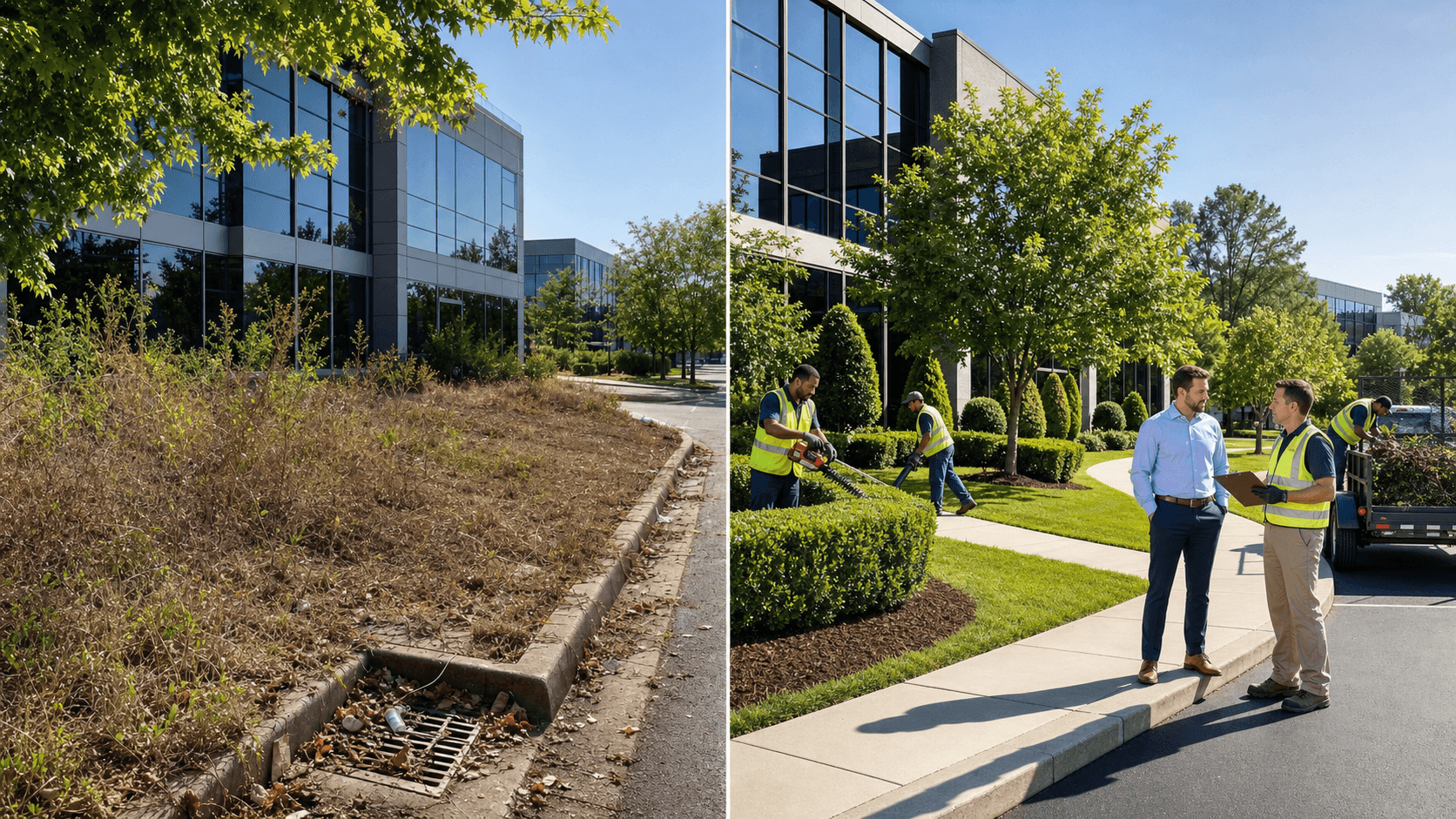
Build Stronger Bids with a Clear Landscaping RFP
Clear landscaping bids start with a clear request. When your RFP is tight, vendors give you better answers, and you spend less time chasing missing details. That matters a lot when you are juggling office parks, HOAs, apartments, retail centers, and campuses around Nashville.
A strong RFP sets the rules of the game. It tells bidders what you expect, how you will compare them, and what success looks like on your sites. It also gives you something solid to show owners and boards when they ask why you picked one company over another.
In this guide, we are sharing tools you can put to work right away: a simple bid scoring system, a site walk checklist tailored to Middle Tennessee conditions, and a vendor comparison matrix that keeps everything side by side and easy to read.
Core Elements Every Landscaping RFP Must Include
First, your RFP has to describe your properties clearly. For each site, include total acreage and how it breaks down (turf vs beds vs natural areas). Also note any special conditions such as slopes, retention ponds, courtyards, dog parks, play areas, and any steep or shaded zones, along with the areas that shape daily use, parking lots, entrances, loading areas, and main pedestrian routes.
Add your current pain points so vendors can offer solutions, not just a price. This should cover drainage issues or standing water after heavy rain, weed pressure in beds or thin turf in high-traffic spots, and any safety or visibility concerns at corners, signage, and entrances.
In Nashville, it also helps to note seasonal needs like heavy fall leaf volume, spring storm debris, summer heat stress on turf and plants, and winter hard freezes that affect plant choices and timing.
Next, spell out the scope of work and break it into clear pieces so bidders know exactly what is included. You can list the core service categories like this:
- Mowing, edging, blowing, and trash pickup
- Pruning of shrubs and low branches, bed maintenance, and mulching
- Seasonal color, tree care, irrigation checks, and repairs
- Snow and ice services if they apply to your properties
Then clarify the expectations that often cause confusion later. Be specific about visit frequency by season (weekly vs biweekly), response times for issue calls and storm cleanups, and service standards such as grass height ranges, weed tolerance in beds, and how you expect crews to communicate with your team.
Finally, standardize the bid format so every vendor prices the same way and you can compare proposals quickly. Ask for:
- A uniform pricing sheet per property and per service category
- Separate lines for base maintenance, enhancements, irrigation work, and optional upgrades
- Multi-year pricing with clear notes on fuel surcharges, material cost changes, and after-hours work
This keeps you from sorting through "apples to oranges" proposals where you cannot tell what is included.
Bid Scoring System for Faster, Fairer Decisions
Once bids come in, a scoring system helps you compare them fairly. You can tailor your own, but common categories for landscaping services for property managers in Nashville include:
- Price
- Experience with similar commercial and multifamily sites
- Staffing and equipment capacity in your part of town
- References and portfolio quality
- Safety practices and training
- Communication and responsiveness
- Sustainability efforts that fit your owners' goals
To keep things objective, decide the weights before you look closely at any proposal. For example, you might give price 30 percent, service quality 30 percent, experience 20 percent, communication 10 percent, and sustainability and safety 10 percent. You can adjust these, but picking the weights first helps when questions come from asset managers and boards.
Set up a simple grid where each vendor is scored from 1 to 5 in each category, then multiply by the weight. Include a space for notes like "Strong HOA experience around Nashville," "Limited snow and ice work," or "Great campus portfolio."
It also helps to invite more than one person to score so the decision reflects day-to-day realities, not just one perspective. Common scorers include:
- Property manager
- Assistant manager
- Maintenance lead or building engineer
- Regional manager for larger portfolios
After scoring, talk through big gaps in scores to avoid bias and clarify what matters most. This system also helps you move beyond the lowest bid, because a slightly higher-priced vendor with better safety, stronger staffing, and proven communication can protect you from tenant complaints about messy grounds, extra time spent chasing crews or redoing work, emergency fixes from poor maintenance, and damage to your property's reputation with owners and tenants.
Site Walk Checklist for Nashville Landscapes
Before you pick a vendor, walk every key site with each bidder. Plan enough time to cover the areas that shape first impressions and daily traffic patterns, including:
- Main entrances and signage
- Street frontage, corners, and monuments
- Parking lots, walkways, and loading areas
- Pools, courtyards, play spaces, and dog parks
Around early fall, it also helps to talk through leaf management, fall color, and winter prep for turf and irrigation lines so everyone knows what you expect as seasons change.
Bring a simple checklist and take photos and notes. That way, all vendors respond to the same conditions, and you have a record for later.
During the walk, ask every vendor the same core questions so you can compare answers directly:
- How would you improve turf here over the next 12 months?
- What is your storm response plan for heavy rain and wind?
- Who will be my day-to-day contact and backup?
- How many crews work in this area, and how do you handle no-show staff?
- How do you handle inspections and report issues to property managers?
For Nashville sites, be sure to discuss local risk factors that affect service levels and planning, especially handling heavy rain events and drainage, heat stress on turf and plant material in full sun, and ice risks on hills, shaded sidewalks, and sloped parking areas.
While on-site together, look closely at the conditions that drive both cost and outcomes. Pay attention to turf health (including bare spots and compaction near entrances, bus stops, or play areas), weed pressure in beds, mulch condition, and pruning needs. Also review shrub and tree structure and sight lines at corners, plus any low or broken limbs. Don't skip irrigation coverage, check for overspray on pavement, broken heads, and erosion spots. Finally, identify places where drought-tolerant or regional plants may reduce water use and long-term stress.
Vendor Comparison Matrix to Clarify Your Shortlist
After the site walks, a comparison matrix helps bring everything together. A basic spreadsheet works well. Put vendors across the top and criteria down the left, such as:
- Total annual cost
- Cost per site
- Cost per service category
- Scope differences or exclusions
- Visit frequency and seasonal services
- Enhancements, seasonal color, and upgrade options
- References, insurance, and safety programs
You can color code who is strongest in each area, for example, best pricing, best references, or strongest capacity. That makes patterns easy to see for you and for anyone else who must sign off.
Add custom rows that fit your portfolio. For example, you may need to capture HOA board reporting needs, litter pickup expectations for retail centers, multi-building communication for apartments, or extra safety or access rules for institutional campuses. You can also add each vendor's final score from your scoring sheet so the matrix shows both numbers and quality factors at a glance.
Before you finalize your shortlist, confirm a few essentials that protect you operationally and contractually:
- Licenses and insurance certificates
- Crew training process and safety meetings
- Experience with commercial properties in the Mid-South climate
- How they manage growth while keeping service consistent on existing routes
Pay attention to which vendors bring ideas for improvements instead of only talking about price. That mindset often signals a better long-term partner.
Turn Your RFP Into a Long-Term Landscape Partnership
When you put these pieces together, your landscaping RFP becomes more than a form. Clear scopes, consistent site walks, scoring sheets, and comparison grids protect your budget, keep owners informed, and support better curb appeal and tenant satisfaction across your properties.
For property managers in Nashville handling multiple sites, a thoughtful RFP also sets the stage for a real partnership. At Pugh's EarthWorks, our team in the Nashville area works with offices, HOAs, apartments, retail centers, and institutional campuses across the Mid-South to design, install, and maintain commercial grounds year-round, and we are ready to help you build a scope that actually fits how you work.
Get Started With Your Project Today
If you are ready to simplify exterior upkeep and boost curb appeal across your portfolio, our team is here to help. Explore our dedicated landscaping services for property managers in Nashville to see how Pugh's EarthWorks (Nashville) can support your property goals all year long. We will work with you to build a tailored maintenance plan that fits your budget, schedule, and tenant expectations. Have questions or need a custom quote fast? Just contact us and we will follow up promptly.