A commercial irrigation system can waste a surprising amount of water without leaving a puddle or a clearly damaged area behind. For Memphis property managers, small problems can quietly raise utility use, stress turf and plant beds, and create maintenance concerns that grow over time.
Fall is a smart time to pay attention. Cooler temperatures and regular rainfall can make grounds look healthy, even when irrigation is running too often or water is being delivered unevenly.
Stop Hidden Water Loss Before It Raises Operating Costs
A leaking valve, worn sprinkler head, or outdated controller may continue running for weeks before anyone notices. On a large commercial property, that lost water can add up while the issue stays hidden beneath turf, mulch, pavement, or planted areas.
We often recommend watching irrigation closely at office parks, retail centers, multifamily communities, healthcare properties, industrial sites, and large campuses. These properties may have many zones, long pipe runs, and different watering needs across the site. One issue in a single zone can affect far more than one small area.
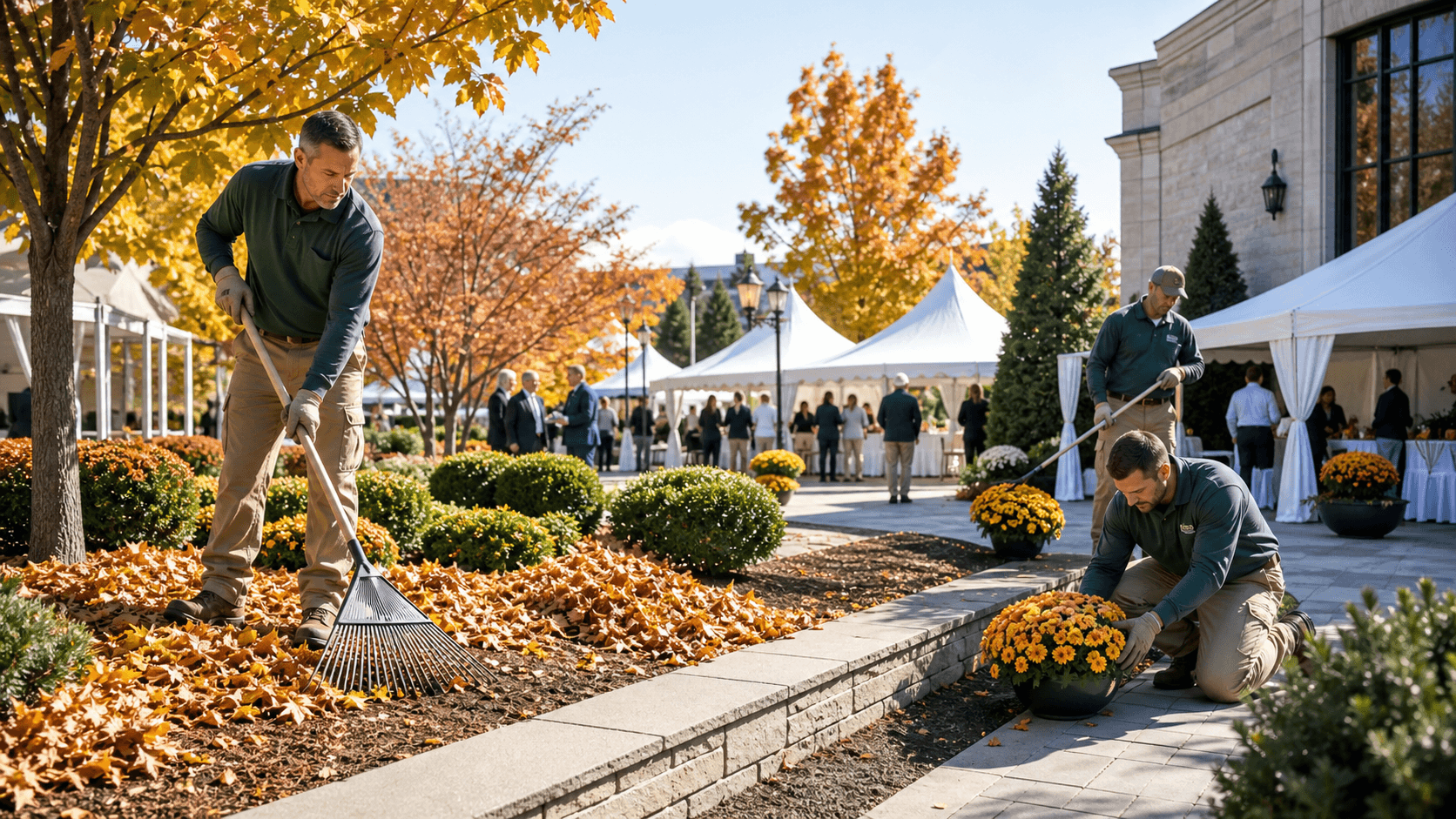
October is especially useful for checking system performance. Fall rain and cooler nights reduce how much supplemental water many plants need. If a system keeps operating on a summer schedule, it may be watering when nature is already doing the work.
Find Irrigation Problems That Hide in Plain Sight
Not every irrigation problem creates obvious standing water. Underground pipe leaks can soak into the soil, while damaged drip lines may leak below mulch or near plant roots. Cracked fittings, worn seals, broken sprinkler heads, and leaking valves can also allow water to escape without drawing much attention.
Poor coverage creates a different kind of problem. Water that lands on sidewalks, parking areas, buildings, or streets does nothing for your grounds. At the same time, dry spots may appear in turf or planting beds because sprinkler heads are blocked, misaligned, damaged, or spaced poorly.
When some areas look dry, it is tempting to increase run times for the whole system. That response can make water waste worse because the already-watered areas receive even more moisture.
Common warning signs include:
- Water spraying onto pavement or building walls
- Wet areas that stay damp long after a cycle ends
- Brown turf near active sprinkler heads
- Sprinkler heads that fail to rise, retract, or rotate properly
- Water flowing toward storm drains or low areas
Controller settings deserve just as much attention as physical equipment. A system may still be programmed for hot summer weather long after temperatures cool. Failed rain sensors, outdated controllers, manually overridden settings, and incorrect run times can all cause unnecessary watering.
Track Water Use Before Fall Rains Mask Leaks
Water use can tell you a lot when you know what to watch for. During Memphis fall weather, rainfall patterns may shift from week to week, while cooler evenings lower plant water demand. If your water use stays high during rainy or mild periods, it may point to a leak, a scheduling issue, or a component that is not working as intended.
We suggest reviewing utility bills, meter readings, run times, and zone activity as part of regular property oversight. Comparing current use with earlier months and the same season from the prior year can make unusual changes easier to spot.
After an irrigation cycle, your maintenance team can also walk the property and look for visible clues. Pay attention to wet pavement, unusually green patches, low water pressure, runoff, and dry zones near operating heads. These checks are helpful, but underground leaks and electrical problems may require a trained evaluation to locate the actual cause.
Use Commercial Irrigation Services in Memphis to Pinpoint Waste
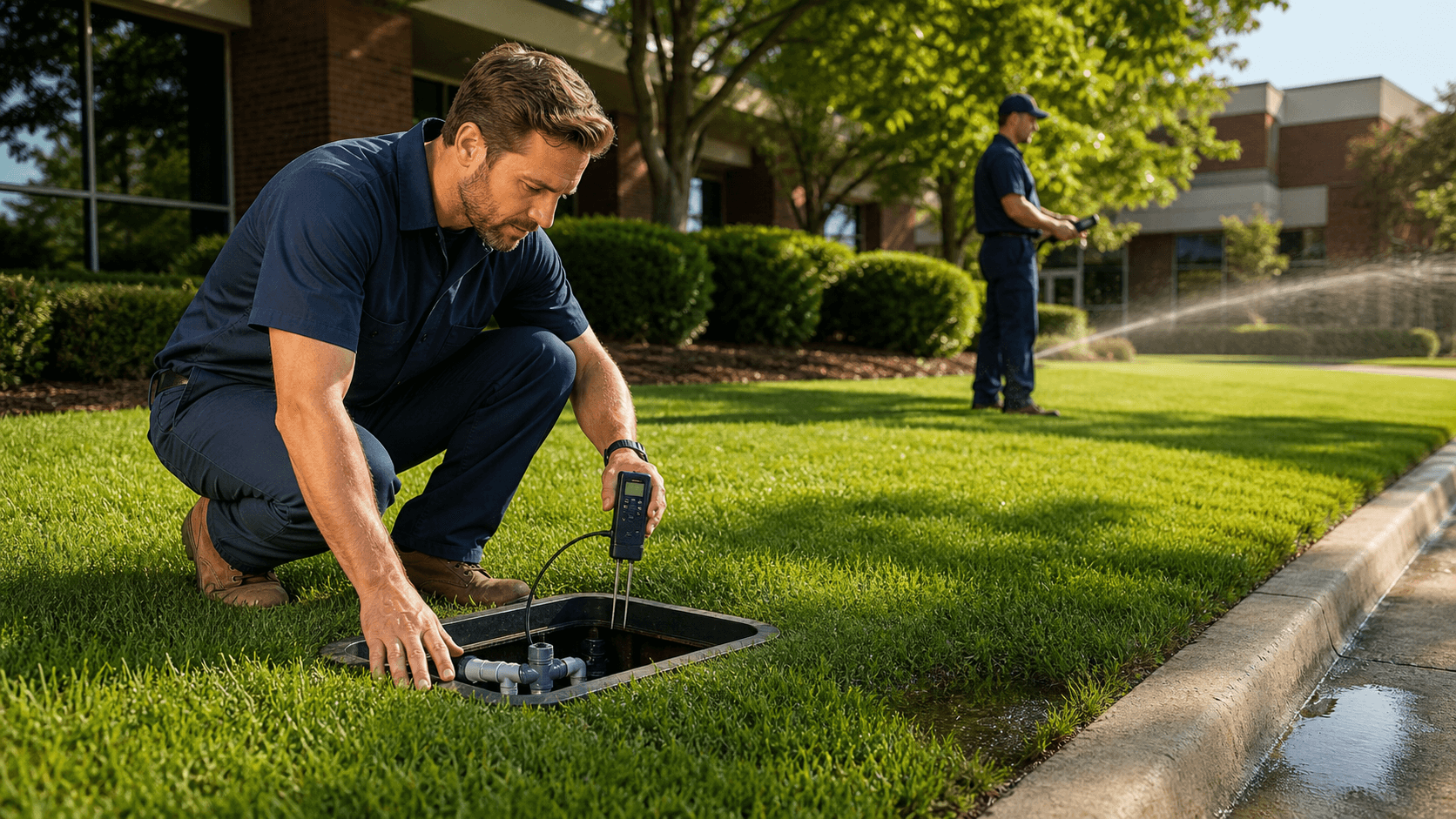
A quick walk-through can catch obvious problems, but commercial irrigation services in Memphis can provide a fuller picture of how the system is performing. Our team can assess the working parts that affect water delivery, including controllers, valves, sprinkler heads, drip lines, wiring, sensors, pressure, and individual zones.
Running each zone during an irrigation review helps reveal issues that may not show up when the system is off. Pressure differences can point to leaks or blockages. Overspray may show where nozzles need adjustment. A zone that does not activate may have a wiring, valve, or programming concern.
A professional assessment may include checking for:
- Leaking valves, fittings, and drip lines
- Uneven pressure and poor sprinkler coverage
- Runoff from slopes, hard surfaces, or overwatering
- Controller schedules that no longer match the season
- Rain sensors or zone controls that are not responding properly
The goal is not simply to replace a broken part. Long-term performance depends on correcting the reason behind the problem. Adjusting nozzles, repairing valves, replacing damaged heads, and updating schedules can help turf, trees, shrubs, and seasonal plantings receive more appropriate coverage.
Prepare Your System for Memphis Winter Weather
Water conservation and winter readiness go together. A system that continues leaking or overwatering in late fall can leave turf soft, create muddy areas, and encourage plant stress as weather changes. Excess moisture may also make certain areas harder to maintain.
Seasonal irrigation service can include reducing run times, shutting down unnecessary zones, checking drainage, and correcting damaged components before colder weather arrives. These adjustments help your property avoid carrying summer watering habits into fall and winter.
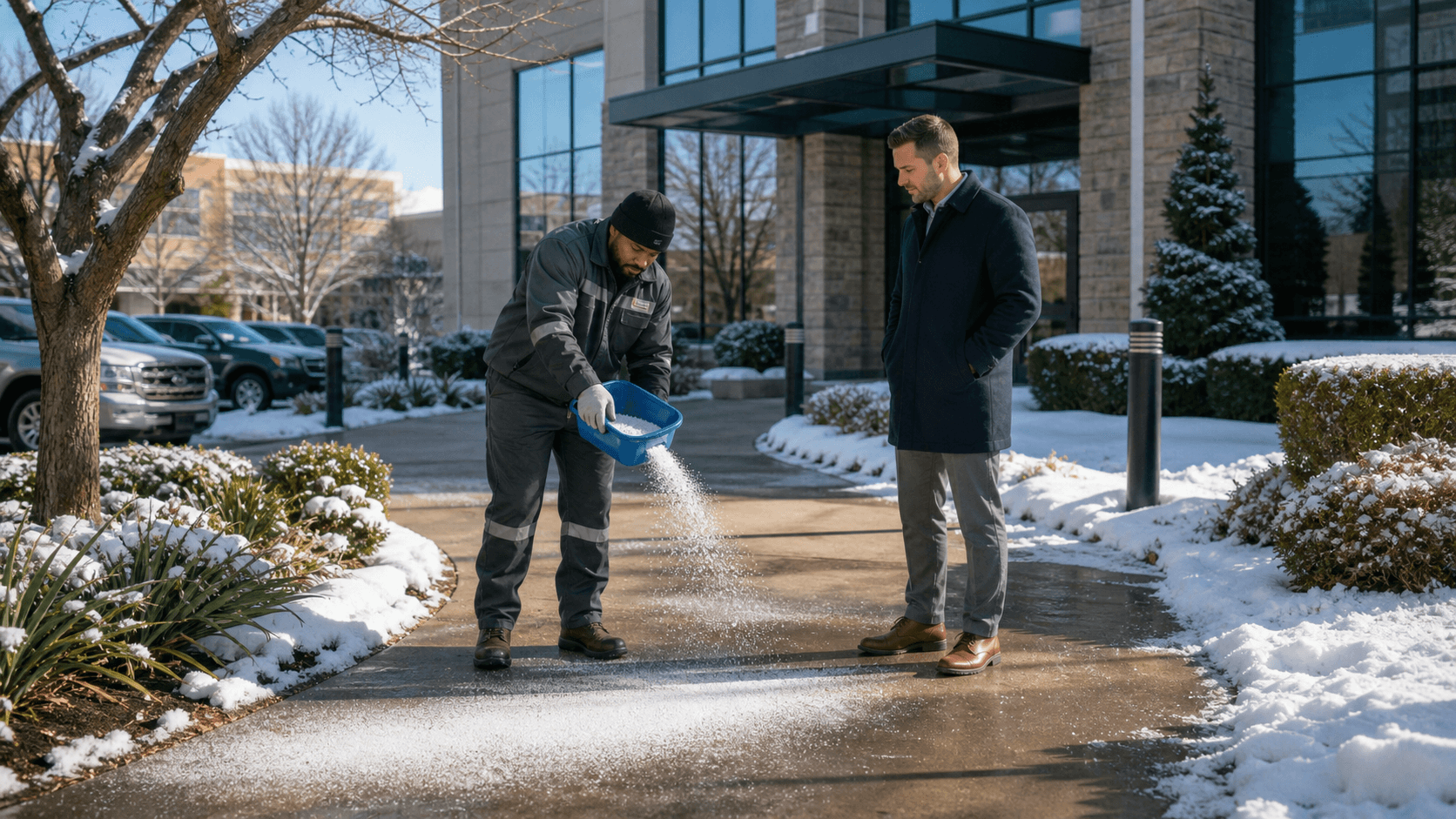
Memphis winters can be unpredictable, and occasional freezing conditions may affect exposed irrigation parts and pipes. We recommend working with a qualified grounds partner to decide when your system should be adjusted, drained, shut down, or protected based on its design and site conditions.
Turn Irrigation Findings Into Lasting Savings
Irrigation efficiency works best as an ongoing part of commercial grounds management, not as a one-time repair project. Pugh's EarthWorks supports commercial properties throughout Memphis, Nashville, Little Rock, Jackson, and Southaven with grounds care that helps property managers stay ahead of changing conditions.
Regular inspections, seasonal adjustments, and prompt repairs can help lower water use, reduce runoff, limit emergency maintenance needs, and support a cleaner appearance for tenants, customers, employees, and visitors. Before winter weather arrives, reviewing irrigation performance can help prevent hidden water waste from becoming a larger operating concern.
Protect Your Property From Costly Water Loss
Pugh's EarthWorks can assess your system's performance and recommend practical improvements tailored to your property. Our commercial irrigation services in Memphis help keep irrigation equipment operating efficiently throughout the year. Contact us to schedule an evaluation with our team.