Choosing a Landscaper Who Can Grow with Your Suburb
Growth in Nashville's suburbs is changing what commercial properties need from their grounds. Areas like Franklin, Murfreesboro, Mt. Juliet, and Hendersonville keep adding offices, retail centers, apartments, and medical campuses, and they all have one thing in common: people expect them to look clean, safe, and professional every day.
In fast-growing suburbs, hiring any commercial landscaper in Nashville is not enough. You need a partner who can keep up with new buildings, changing traffic, tighter space, and higher expectations from tenants and visitors. The right company plans ahead, scales with you, and protects the value of your site as the area fills in around you.
In this article, we share a practical way for property managers, HOA boards, and facility directors to compare commercial landscapers that serve Nashville's growth suburbs. We will walk through how to define your needs, what to ask about local experience, how to judge seasonal planning, and what long-term, full-service care should look like from a provider like ours at Pugh's EarthWorks.
Looking Beyond Mowing and Defining Your Site Needs
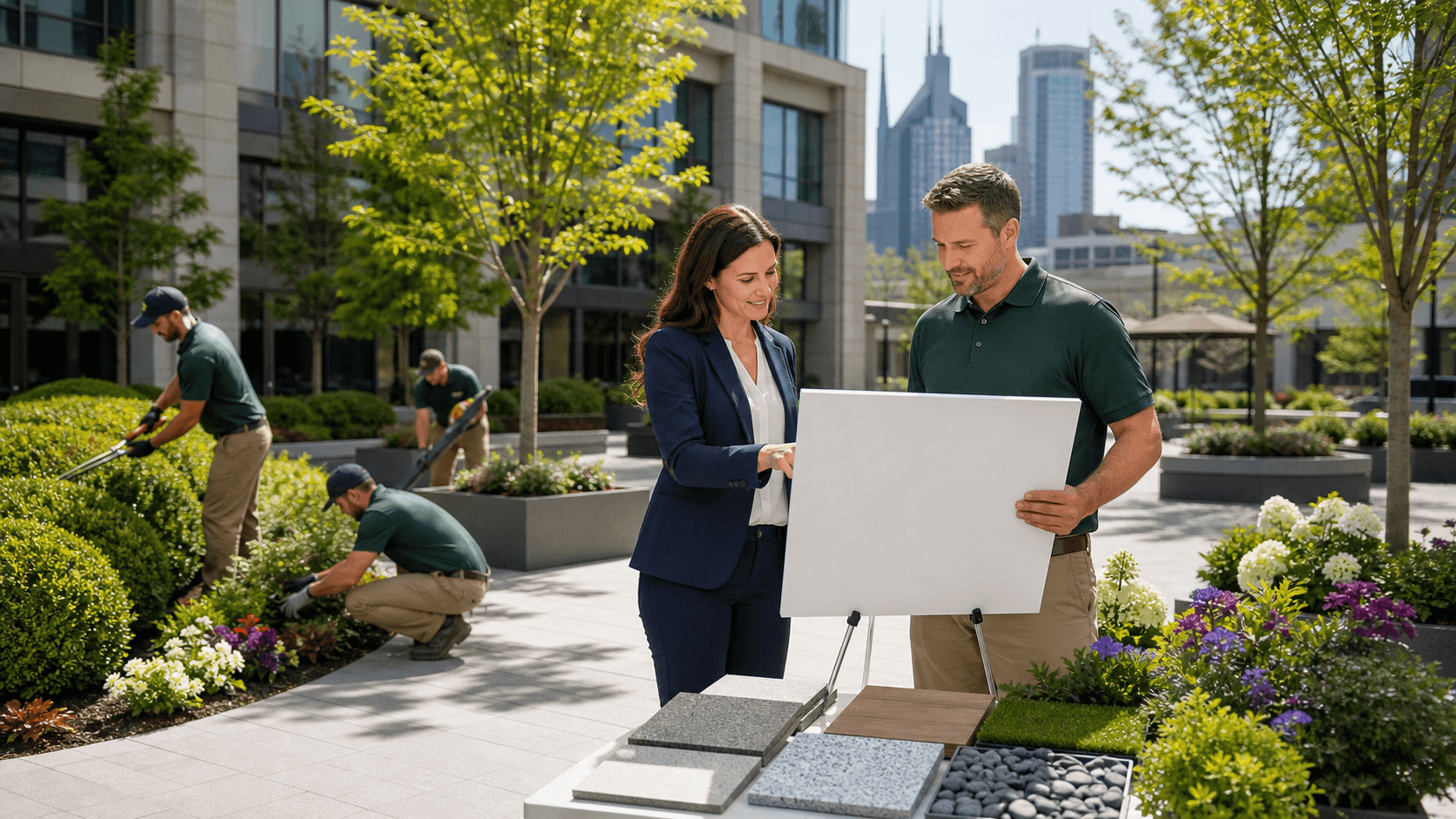
In many suburban developments, mowing is only the starting point. To keep a property looking sharp all year, most sites need a broader plan, such as:
- Routine lawn care and edging
- Seasonal color in key entry and focal areas
- Bed maintenance and weed control
- Tree and shrub pruning and monitoring
- Irrigation checks and adjustments
- Care around stormwater areas and drainage features
Different property types in growing suburbs have different priorities. For example:
- Offices and medical campuses often focus on entry drives, signage, and clean walkways.
- HOAs and apartments care about common areas, pools, playgrounds, and dog parks.
- Retail centers need attention on parking lot medians, storefront beds, and high-traffic corners.
- Schools and institutions focus on safety, open turf, and clear sightlines near roads and walks.
Newer suburban projects also come with more retention ponds, bioswales, and tight planting beds around buildings. These need consistent care so they do not become overgrown or cause drainage problems.
The best way to compare commercial partners is to build a simple written landscape management plan for your site. That plan should match:
- Property type and use
- Traffic patterns for cars and pedestrians
- Key areas that impact curb appeal and safety
- Your realistic annual budget
With that in hand, it is much easier to line up bids and see which commercial landscaper in Nashville is actually addressing your real needs, not just offering a basic mow-and-go service.
Vetting Experience in Nashville's Growth Corridors
The growth suburbs around Nashville sit in different counties and have their own quirks. Soil conditions, drainage patterns, and local rules can change from one area to the next. You want a partner who already works in places like Williamson, Rutherford, Wilson, and Sumner counties and understands how properties function there.
Helpful questions to ask any commercial landscaper include:
- What properties do you care for now in these specific suburbs?
- How do you handle heavy clay soils, sloped sites, and drainage around new buildings?
- Which plant varieties have held up best to Middle Tennessee heat and humidity on your current sites?
- How do you plan work around ongoing construction or tenant build-outs so operations can continue?
- Are you familiar with local city codes or HOA guidelines that affect plantings, sightlines, or irrigation?
If you operate multiple properties, it helps to work with a company used to regional portfolios. At Pugh's EarthWorks, we serve commercial clients across the Mid-South, so our team is used to:
- Multi-site maintenance plans under one program
- Out-of-town ownership or asset managers who need clear updates
- Consistent standards from one property to the next
This kind of experience keeps your suburban properties aligned with what your investors and leadership teams expect.
Evaluating Seasonal Planning From Heat to Ice
Late summer is an ideal time for property teams in the Nashville area to make sure the rest of the year is covered. Your grounds might be feeling the heat, but fall and winter are coming fast, and strong seasonal planning avoids last-minute stress.
An annual schedule for a commercial site should include:
- Spring: clean-up, bed prep, mulch, early-season pruning, and irrigation start-up
- Summer: mowing, edging, weed control, turf care, and a close watch on irrigation and plant stress
- Fall: leaf management, fall color change-outs, final pruning, and preparation of beds and turf
- Winter: clean-up as needed, monitoring for damage, and, when required, snow and ice services
In Middle Tennessee, winter events can be unpredictable. When they do hit, parking lots, walks, and entry areas need fast, coordinated response to keep people safe and businesses open.
Having snow and ice management under the same contract as your regular grounds care:
- Reduces confusion about who is responsible for what
- Speeds up decision-making during weather events
- Helps crews understand your property in all seasons
- Keeps your risk management and communication under a single team
For suburban offices, shopping centers, and multifamily communities, this kind of all-in planning can make a big difference in how smoothly the property runs all year.
Measuring Reliability, Communication, and Safety Standards
In a fast-growing suburb, your grounds need to be one thing above all: consistent. Reliable commercial service is not just about showing up. It is about clear standards and proof that the work is getting done.
Strong reliability often looks like:
- Regular crews assigned to your property
- Documented service visits and task lists
- Before-and-after photo reports for owners who are off-site
- Proactive notes about irrigation leaks, trip hazards, or plant issues
Communication can make or break the relationship. For most property teams, the following items help daily operations run smoothly:
- A single main point of contact who knows your property
- Clear and simple proposals and invoices
- Seasonal reviews or walk-throughs to plan improvements
- Digital tools for logging work orders and tracking follow-up
Safety and professionalism are just as important as appearance. On commercial sites with busy parking lots and sidewalks, you should expect your landscaper to:
- Carry appropriate insurance coverage
- Train crews on equipment use and safety on active sites
- Respect property access rules, especially at schools and multifamily communities
- Work carefully around cars, deliveries, and pedestrians
All of this protects your tenants, visitors, and your organization.
Partnering with a Landscaper Invested in Your Property's Future
As suburbs around Nashville grow, treating grounds care as a simple, year-to-year contract can hold a property back. Long-term partnership makes more sense when curb appeal, safety, and usability have a direct impact on occupancy and rent levels.
A good next step is to take a fresh look at how your current grounds are performing. Walk the property with a critical eye and ask:
- Are entrances and key views helping or hurting first impressions?
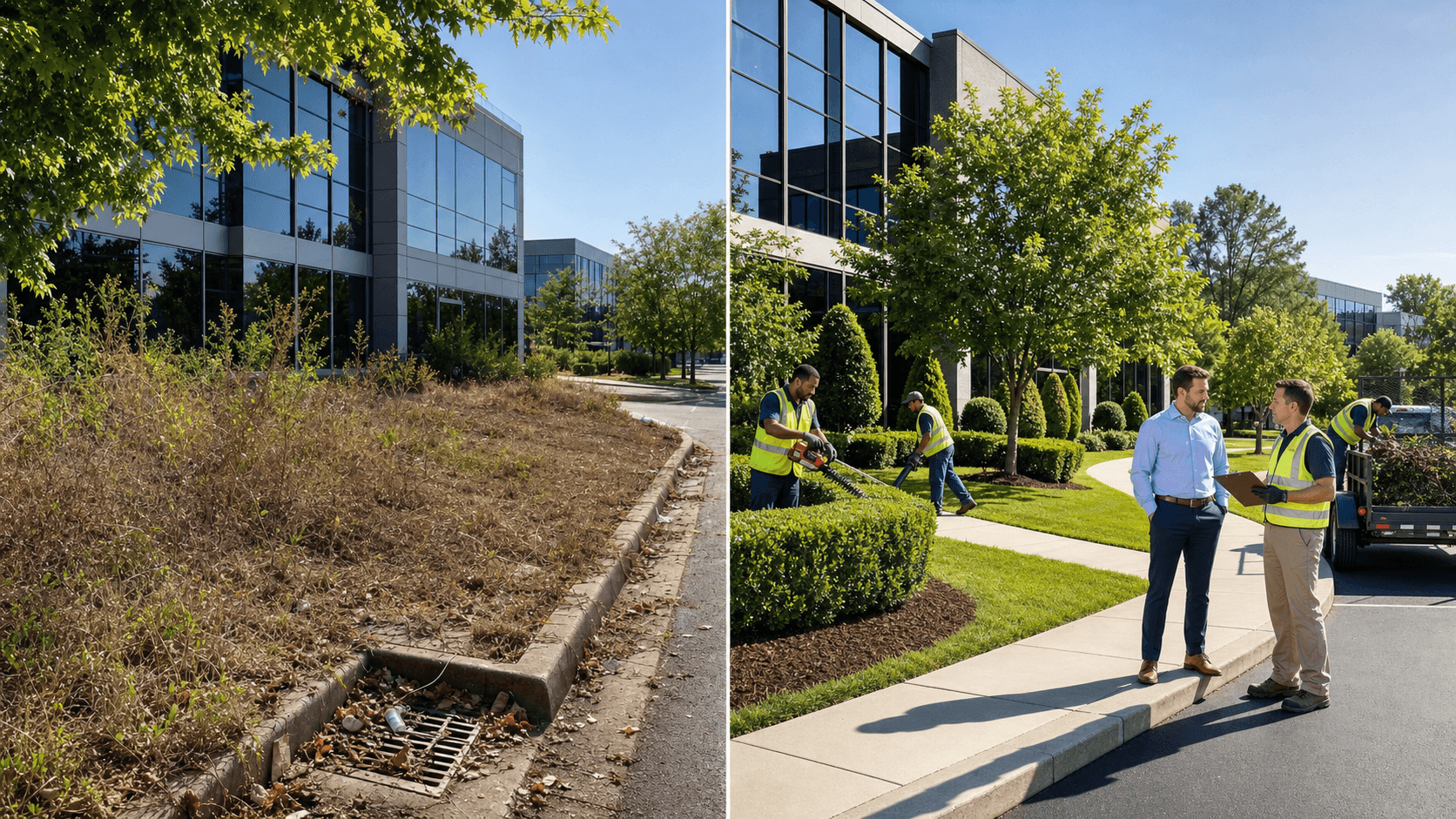
- Are there recurring problem areas, like muddy spots, overgrown corners, or poor lighting on walks?
- Do you feel surprised by issues, or are they caught and solved early?
Then, when you request proposals from commercial landscapers in Nashville's suburbs, ask for site-specific improvement plans instead of generic bid sheets. Look for partners who think about multi-season care, not just the next cut.
At Pugh's EarthWorks, we focus on long-term, reliable management for commercial properties across the Mid-South, including Nashville's growth suburbs. Our goal is to support your growth and protect your investment with thoughtful planning, consistent service, and clear communication so your grounds stay professional, safe, and ready for what comes next.
Transform Your Commercial Grounds With Professional Care Today
If you are ready to improve the safety, curb appeal, and long-term value of your property, our team at Pugh's EarthWorks is here to help. As a trusted commercial landscaper in Nashville, we design, install, and maintain landscapes tailored to your site, budget, and brand. Tell us about your property needs and we will create a clear plan to keep your exterior spaces looking their best season after season. To request a proposal or schedule a walkthrough, simply contact us.